Sights of Broek in Waterland
Eighty national monuments, one Havenrak and an emperor who took off his shoes.
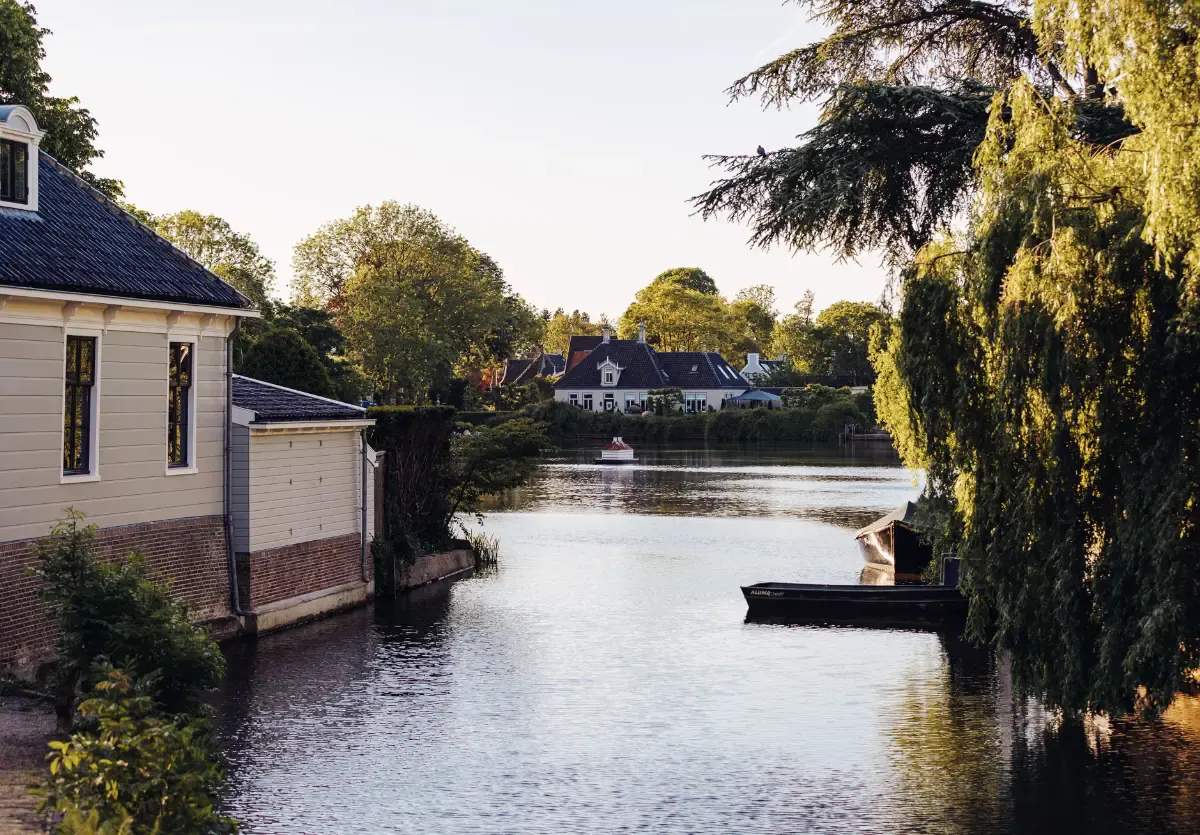
What is there to see in Broek in Waterland?
Five places, all within a half-hour walk.
In Broek in Waterland you'll see the Havenrak, St Nicholas' Church, the house where Napoleon took off his shoes, and more than eighty national monuments of grey and green painted wood. The village has the highest density of national monuments in the Netherlands, and everything is within a half-hour walk. Fifteen minutes from Amsterdam.
The Havenrak — the quiet heart of the village, once deep enough for VOC ships.
St Nicholas' Church — the oldest building in Broek, with the gravestone of Neeltje Pater.
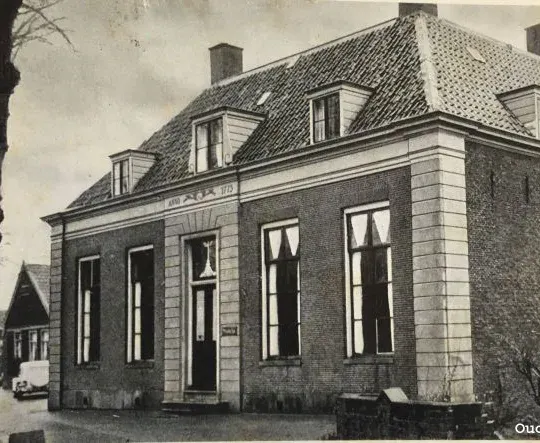
The Famous House — where Napoleon took off his shoes at the door in 1811.
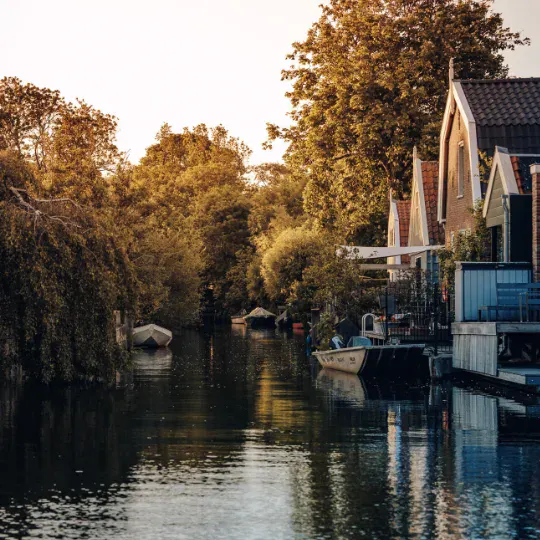
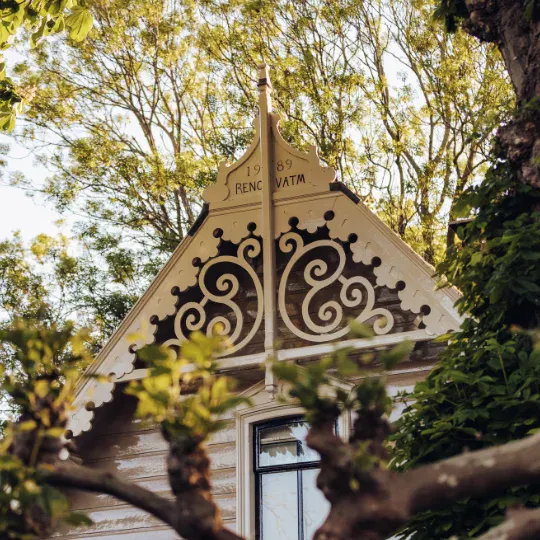
The wooden facades — eighty national monuments in Broek grey, with death doors that almost never open.
Het Broeker Huis — the village house of Broek: coffee beforehand, lunch afterwards.
No guide with a microphone, no queues, no route maps with stickers. The village simply lies there, and you walk right through it.
More about Broek in Waterland, or plan your day out right away?
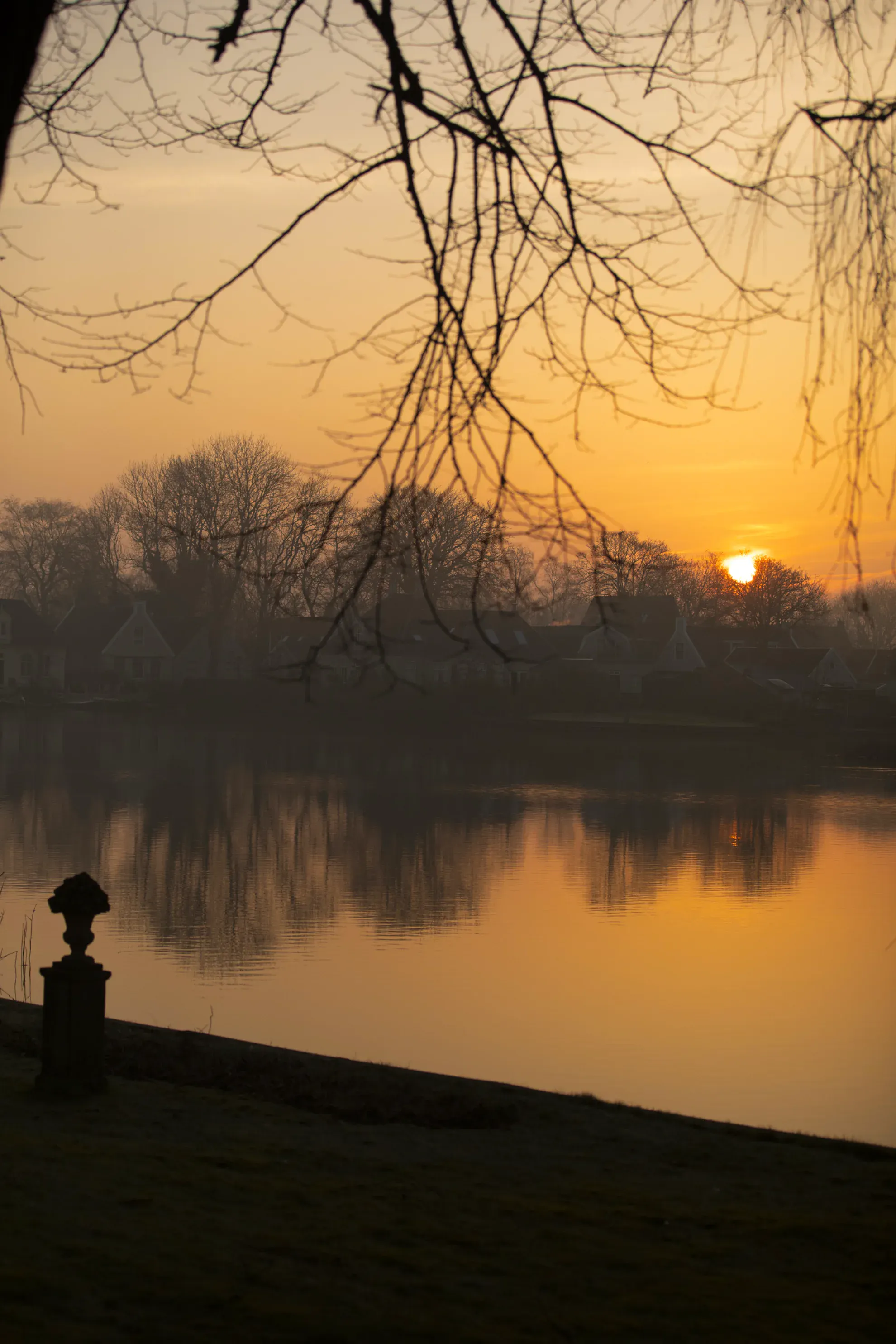
Het Havenrak
Once twenty metres deep. Now mostly deep enough to stare into.
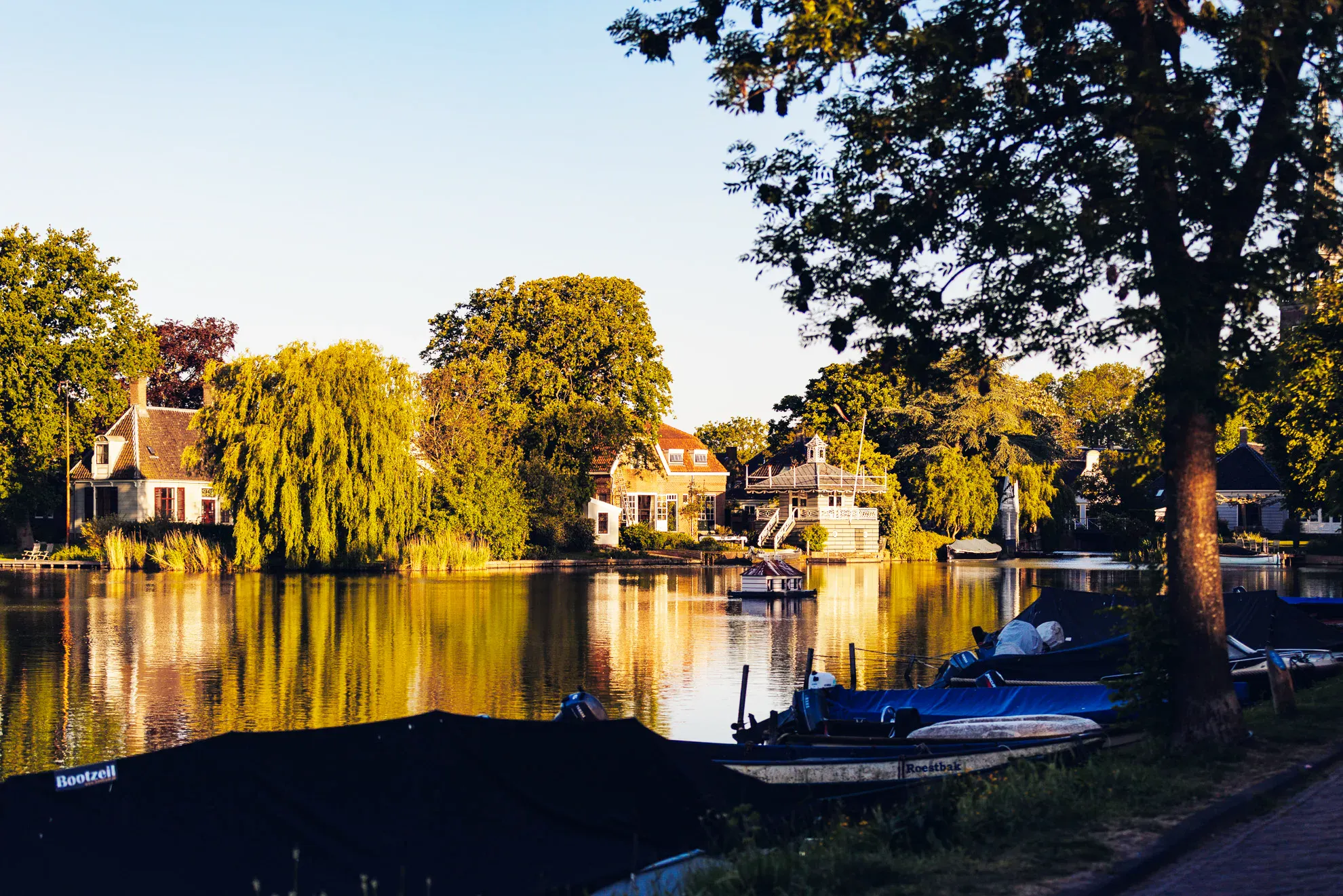
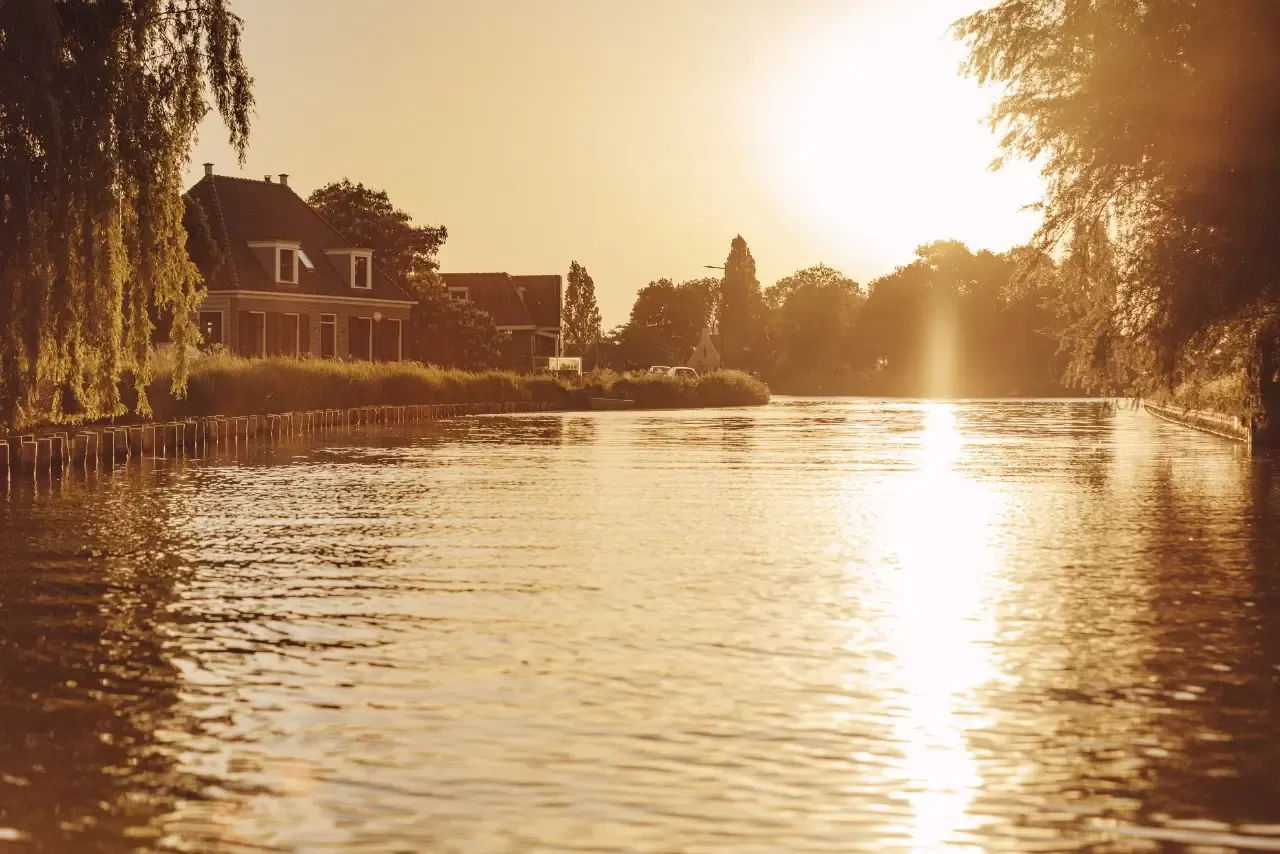
The Havenrak was once twenty metres deep, large enough for VOC ships that came here to collect their cargo. Now it is the quiet heart of the village: grey wooden facades at the water's edge, benches where you can sit for no reason, and ducks that share the water with the sky.
No entrance fee, no sign, no route map with stickers. Just a pool of water the village has settled around. From Het Broeker Huis you reach it in two minutes, and you pass it on every walking route.
See the routes first, or reserve a table for after the walk?
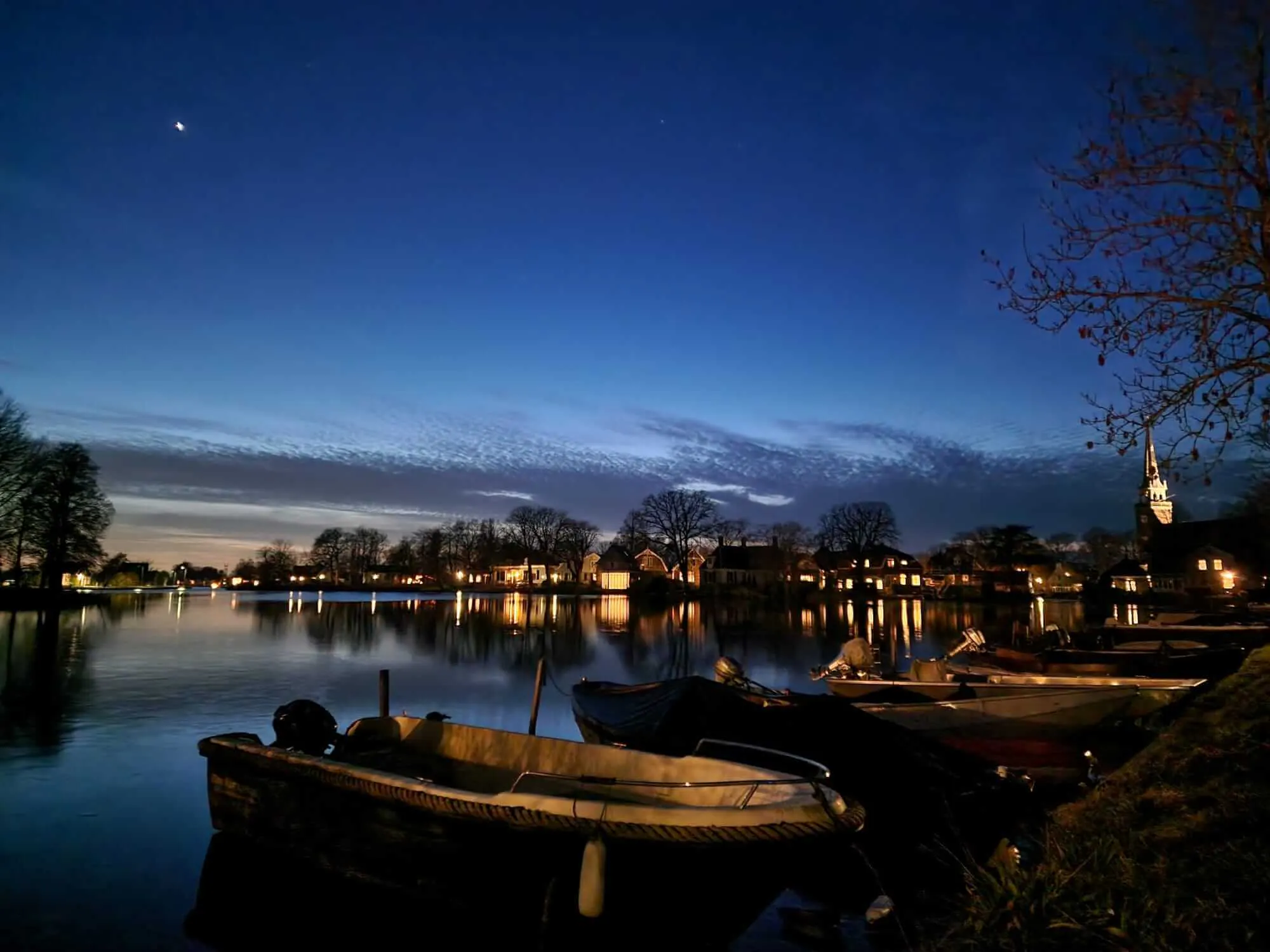
Three stories of stone, wood and water
The church, the emperor & the facades.
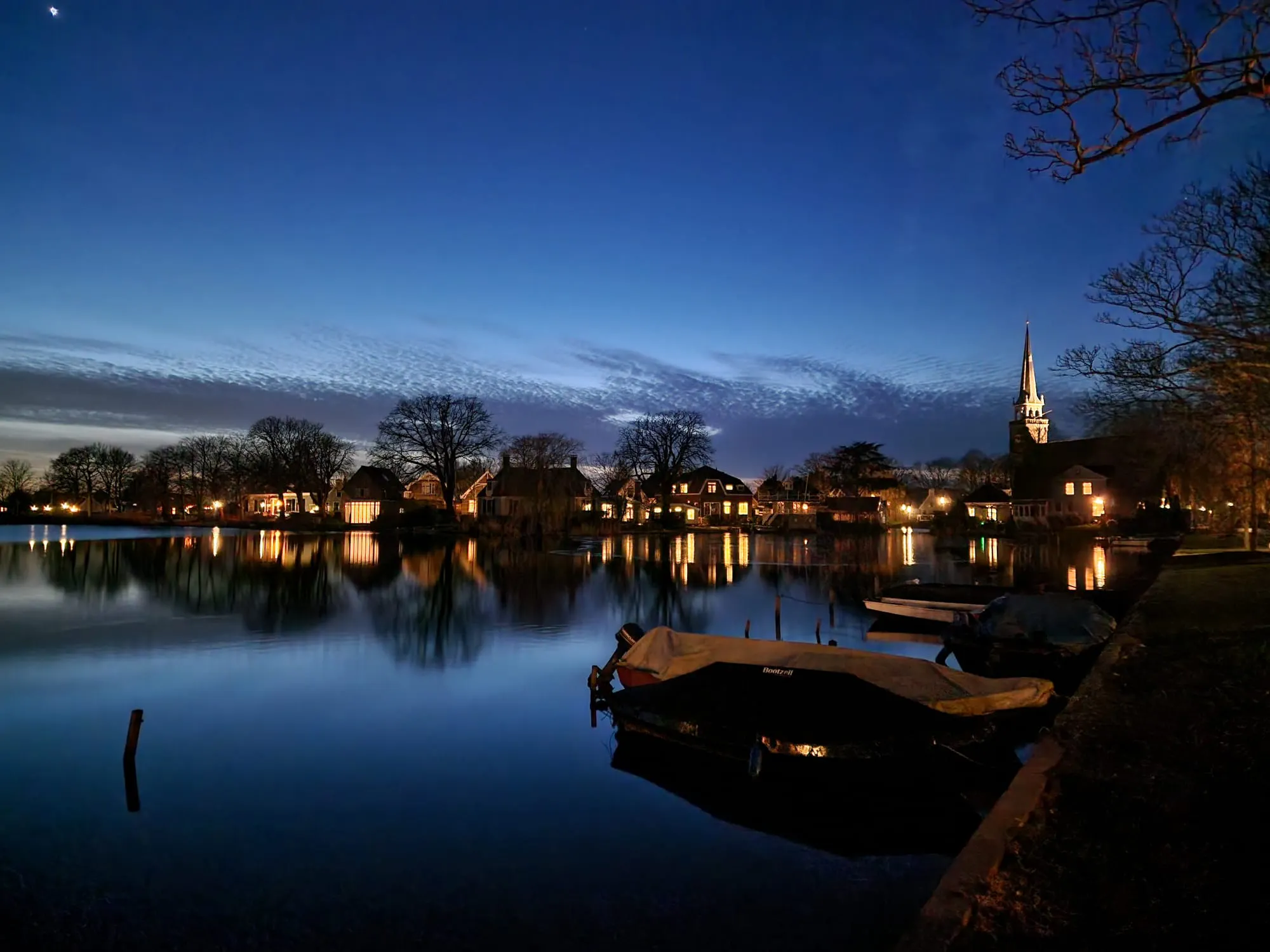
St Nicholas' Church
The oldest building in the village.
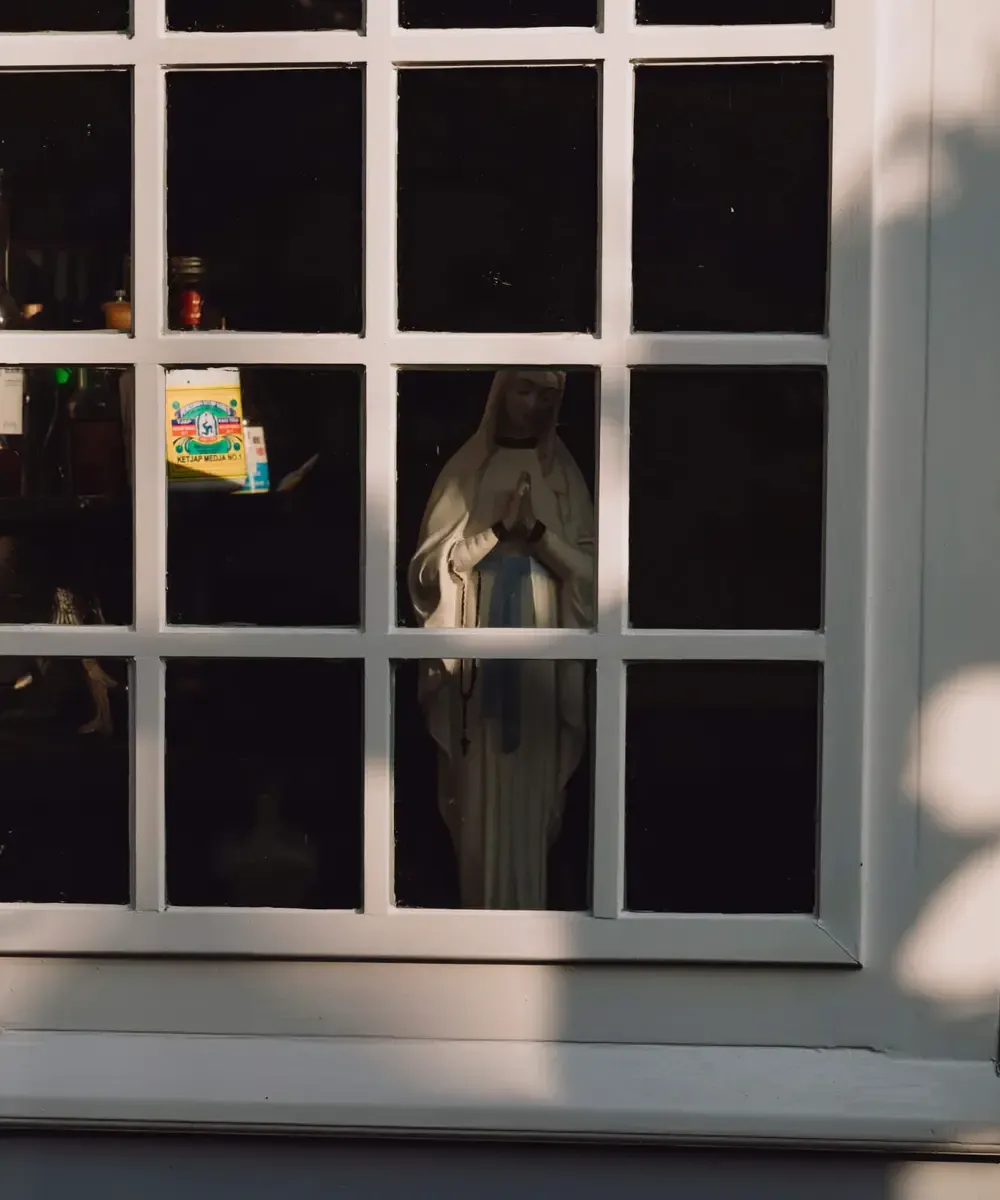
Rebuilt on the foundations of the church the Spanish set on fire in 1573. Inside: a painted ceiling, an organ that still plays, and the gravestone of Neeltje Pater — merchant and VOC shareholder, who gave Het Broeker Huis to the church in 1789.
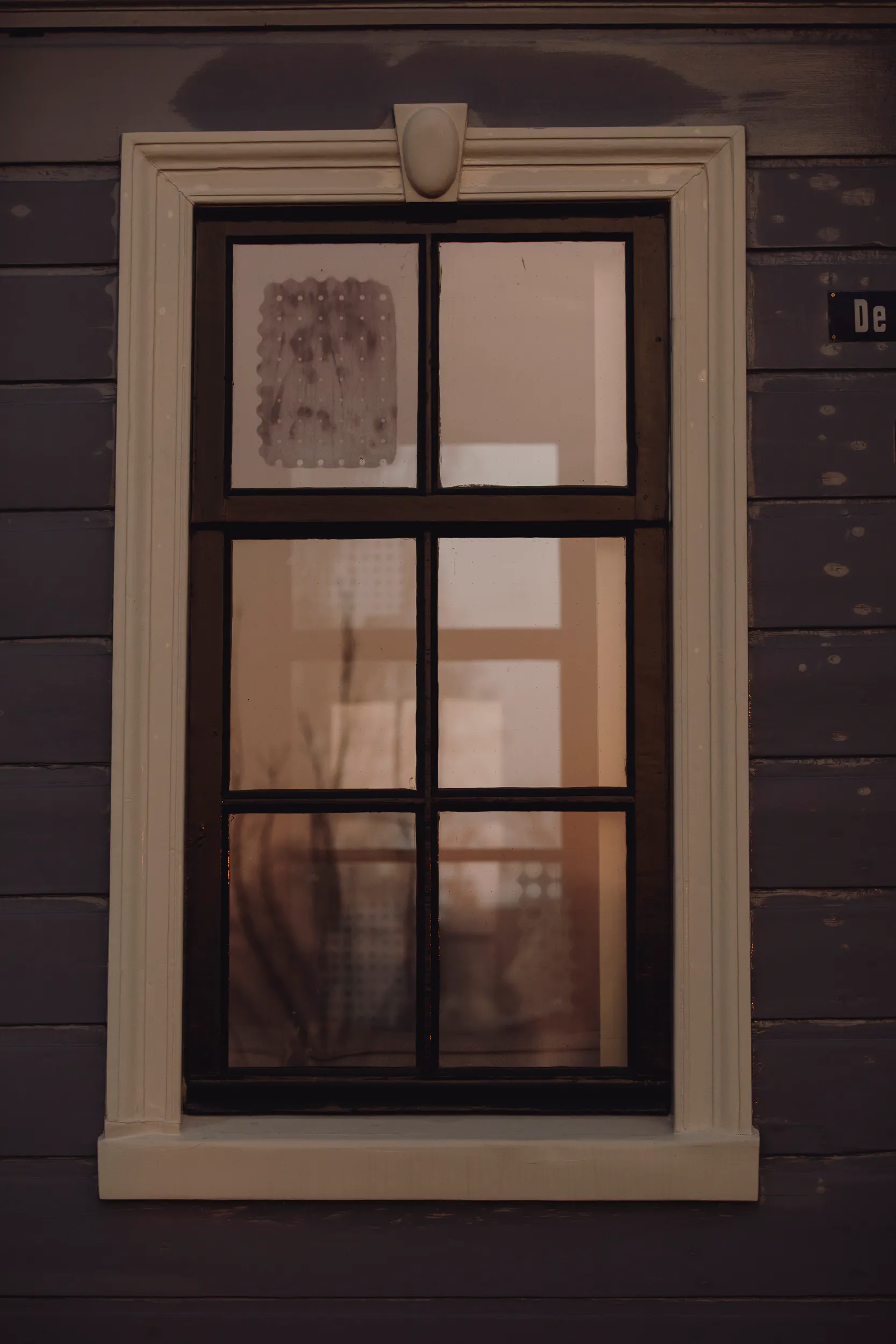
The Famous House
Where Napoleon took off his shoes.
On 15 October 1811 Napoleon rode into Broek, over streets strewn with flowers. He took off his shoes at the door — out of respect for the legendary cleaning mania of the people of Broek — and then burned his fingers on a glowing lid. The village impressed emperors, and simply stayed itself.
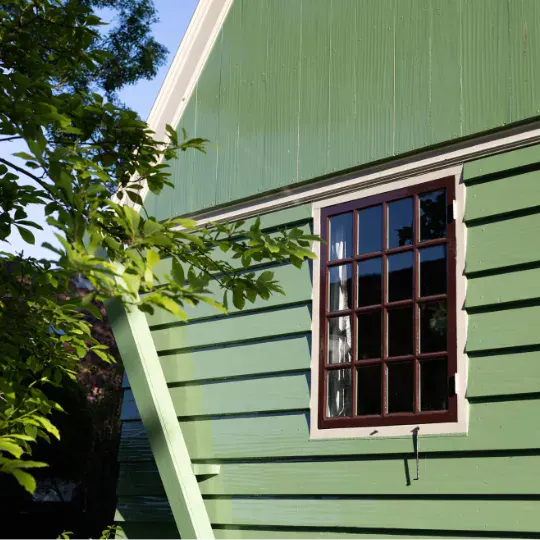
The Broek grey
National monuments on every corner.
In the Golden Age, Broek was one of the richest villages in Holland. More than eighty national monuments still stand, with original death doors that open only for weddings and funerals. The Historical Society gives guided tours.
Frequently asked questions about sights in Broek in Waterland
The church, the Havenrak, the facades & how to get here.
What is there to see in Broek in Waterland?
The Havenrak, St Nicholas' Church, the house where Napoleon took off his shoes and more than eighty national monuments in Broek grey and green. Everything is within walking distance: you can walk around the whole village in an hour.
Why is Broek in Waterland so famous?
For its wooden houses and its cleaning mania. In the Golden Age, Broek was one of the richest villages in Holland, and even Napoleon took off his shoes in 1811 before going inside. What remains is the highest density of national monuments in the Netherlands.
Is there a museum in Broek in Waterland?
The village itself is the museum: more than eighty national monuments you simply come across in the street, with death doors that open only for weddings and funerals. The Historical Society gives guided tours.
Can you visit the church of Broek in Waterland?
Yes, St Nicholas' Church can be visited. Inside you'll find a painted ceiling, an organ that still plays and the gravestone of Neeltje Pater — the merchant and VOC shareholder who gave Het Broeker Huis to the church.
What is the Havenrak?
The Havenrak is the lake in the middle of Broek in Waterland, once twenty metres deep and large enough for VOC ships. Now it is the quiet heart of the village: wooden facades at the water's edge, benches and ducks.
How do you get to Broek in Waterland?
By bus 110, 112, 314, 315 or 316 from Amsterdam Central or Noord station you're there in sixteen minutes. By car it's a quarter of an hour. Parking is free at the Nieuwland, a five-minute walk from the village. Don't drive further into the village.
Come and look, stay to eat.
The village is free. The coffee is not.
Seeing the sights in Broek in Waterland costs no ticket and no route. You walk into the village, look up at the wooden facades, sit down on a bench by the Havenrak and forget what time it is.
Somewhere between the church and the Famous House stands Het Broeker Huis: restaurant and village house, built in 1775. Coffee from our own recipe beforehand, lunch afterwards. Do drop in.
See the menu first, or reserve a table right away?